





The benefits of wearing work clothes are reflected in many aspects, from corporate management to personal protection, to professional image shaping, etc., which are all of positive significance, as follows:
1, Corporate image and team cohesion
Unified visual identification:
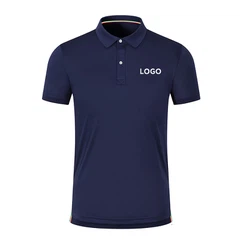
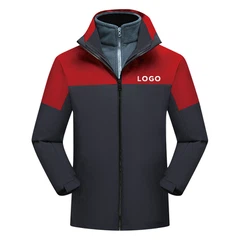
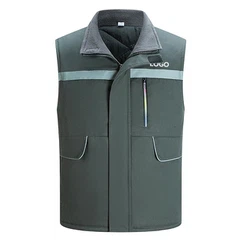
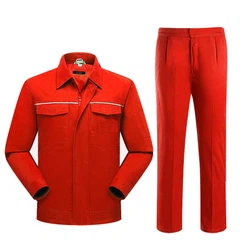
Work clothes are the "mobile business card" of the company. The unified style, color and logo can enhance brand recognition. For example, the work clothes in the catering industry are often printed with brand logos, which are convenient for customers to quickly identify.

2, Enhance team belonging
Employees wearing consistent work clothes can weaken individual differences and convey the psychological suggestion of "team unity", especially in large-scale activities or collective work, which can highlight the spirit of teamwork.
3, Professional attributes and work efficiency

4, Clear job functions
Work clothes for different positions are designed differently, such as doctors' white coats and firefighters' flame-retardant clothes.
The professional identity can be quickly judged through clothing, which is convenient for work docking (such as the distinction between nurses' clothes and doctors' clothes in hospitals).
5, Improve work concentration
Putting on work clothes is equivalent to the psychological suggestion of entering a "professional state", reducing the casualness of daily dress, and helping employees enter the work role faster, especially in scenes that require a rigorous attitude (such as laboratories and factories).

6, Safety protection and practicality
A, Targeted protection function
Design protection features according to industry needs, for example:
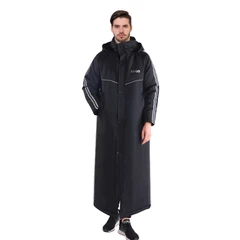
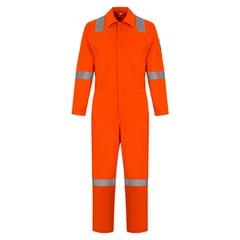
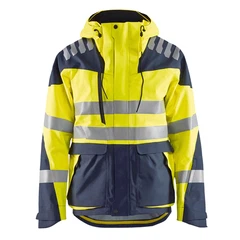
Reflective work clothes on construction sites can improve visibility at night (visibility: visibility) and reduce the risk of accidents;
Anti-corrosion work clothes in the chemical industry can isolate harmful substances and protect the physical safety of employees.
B, Durability and convenience
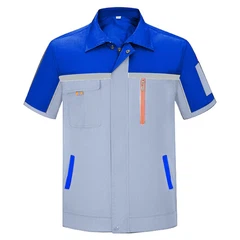
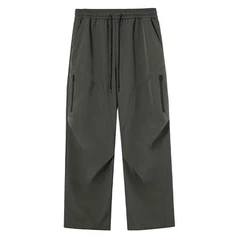
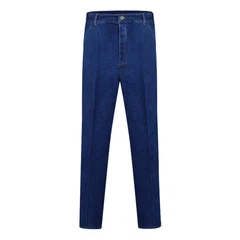
Work clothes are usually made of wear-resistant and easy-to-clean fabrics (such as cotton or synthetic fibers), suitable for high-frequency use, and some are designed with multiple pockets (such as maintenance uniforms) for easy storage of tools.
7, Compliance and management convenience
Meet industry standards
Some industries (such as food processing and medical care) require work clothes to comply with hygiene standards or safety regulations to avoid compliance risks caused by clothing issues.
Simplify management processes
Uniform clothing can reduce employees' entanglement with "what to wear", especially in large enterprises, to avoid management confusion caused by differences in clothing, and at the same time reduce employees' clothing costs (some companies provide work clothes for free).

8, Cultural transmission and professional dignity
Reflect corporate values
Work clothes design can incorporate corporate cultural elements (such as environmentally friendly companies using recycled fabrics), convey brand concepts, and enhance employees' sense of identity with corporate values.
Shape professional dignity
Professional work clothes can enhance the solemnity of the profession, such as lawyers' formal clothes and teachers' simple work clothes, so that employees can have more professional pride at work.
Summary
Workwear is not only a "labor protection tool", but also a comprehensive reflection of corporate image, teamwork and professional norms. Whether it is necessary to wear workwear is usually determined by the nature of the industry and corporate system, but from the perspective of practicality and career development, its value has surpassed the clothing itself and has become an important part of the workplace ecology.
