




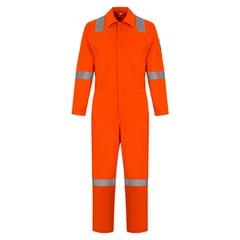
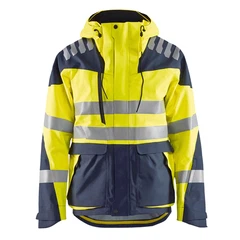

Pure cotton, polyester, blended fabrics
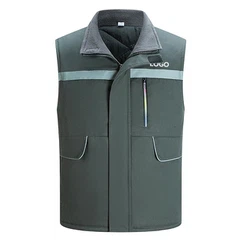
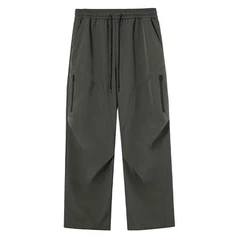
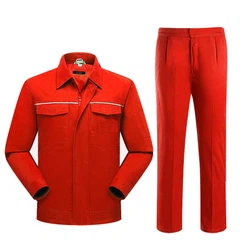
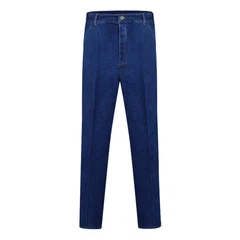
The commonly used fabrics for workwear include pure cotton, polyester, blended fabrics, etc., which are widely used in different work scenarios due to their respective characteristics.
Pure cotton fabric is known for its softness, comfort, and strong moisture absorption, making it suitable for occasions that require high comfort, such as casual professional wear and workwear. However, pure cotton fabric is prone to wrinkling and shrinkage, and requires frequent ironing to maintain its shape. Polyester fabric is favored for its wear-resistant, wrinkle resistant, and non fading properties, and is commonly used to make durable and long-lasting workwear and professional attire. Although its breathability and moisture absorption are poor, its price is relatively affordable. Blended fabrics combine the advantages of multiple fibers and can adjust their performance according to specific needs, making them suitable for professional wear that requires specific functions.
In addition, according to different work environment requirements, workwear fabrics also need to have specific functional characteristics. For example, anti-static fabrics are suitable for situations where static electricity accumulation needs to be prevented, such as the electronics industry; Flame retardant fabrics are used for firefighting and welding work to ensure safety; Acid alkali resistant fabrics are suitable for workers who come into contact with strong acids and alkalis. The special properties of these functional fabrics make them indispensable in specific industries.
When choosing workwear fabrics, in addition to considering the comfort and durability of the fabric, it is also necessary to choose suitable fabrics based on the specific requirements of the work environment. For example, industries such as petroleum, chemical, and electronics may require anti-static or radiation resistant fabrics to ensure the safety of workers and the normal operation of equipment.