




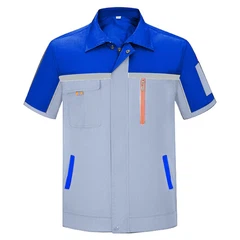

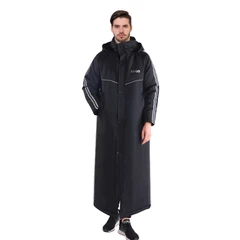
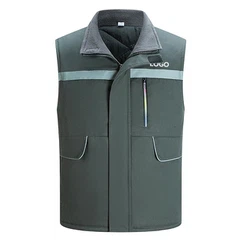

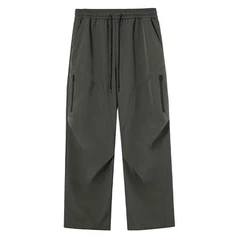
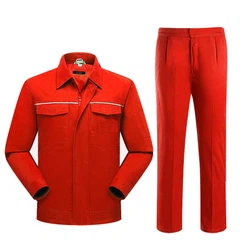
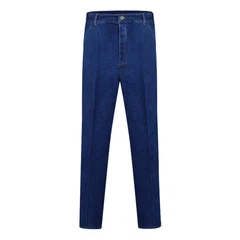
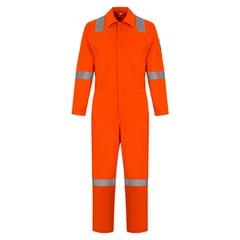
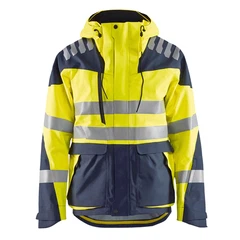

The main protective functions of work clothes include preventing physical injuries, chemical hazards, high temperatures, and flame injuries. Specifically:
Preventing physical injuries: Work clothes can prevent physical injuries such as cutting, abrasion, impact, and puncture, protecting workers from these injuries.
Barrier against chemical hazards: Work clothes can prevent the penetration of toxic and corrosive chemicals into the skin, protecting the skin from chemical damage.
Preventing high temperatures and flames: In high temperature environments, work clothes can provide insulation to prevent direct damage to the skin from high temperatures and flames.
In addition, there are various types of work uniforms, which can be divided into the following categories according to different work environments and needs:
High temperature work clothes: used for personal protection in high temperature and high heat places, such as flame retardant clothes, insulation clothes, firefighting clothes, etc.
Dust, oil, and water repellent work clothes: suitable for work environments with high levels of dust and oil pollution.
Radiation protection suit: used to prevent electromagnetic radiation damage.
Anti toxic clothing: used for protection in toxic gas environments.
Anti static clothing: used to prevent fires or explosions caused by static electricity.