

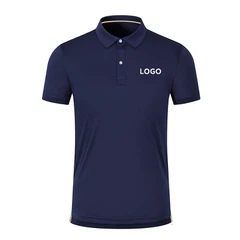
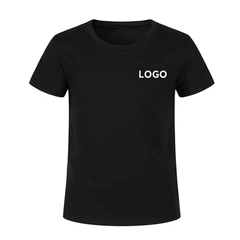
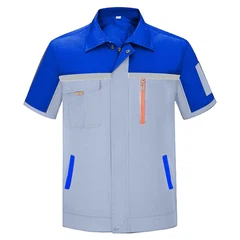
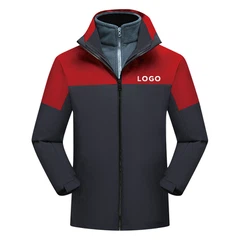
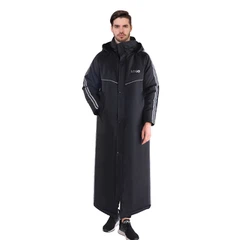
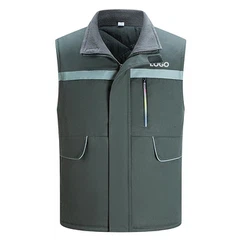

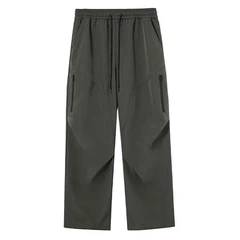
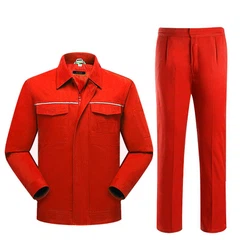
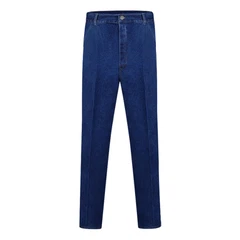
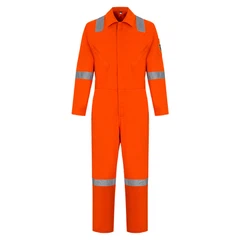
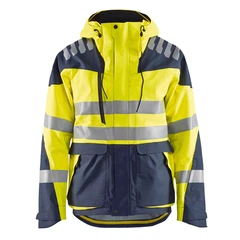

When choosing comfortable workwear materials, the following common materials and their characteristics can be considered:
Pure cotton fabric: Pure cotton fabric is soft and comfortable, with strong moisture absorption and good breathability. It is hygienic and comfortable to wear, suitable for summer close fitting work clothes and high-end shirts. However, pure cotton fabric has poor wrinkle resistance and a high shrinkage rate, and requires attention to washing and maintenance.
Polyester fabric: Polyester fabric is wear-resistant and durable, with a low price, good wrinkle resistance, easy to maintain, and suitable for work environments that require frequent washing and shape preservation. But its moisture absorption and breathability are relatively poor, which may not be comfortable enough in high temperature or humid environments.
Blended fabric: Blended fabric combines the advantages of multiple fibers, such as wear resistance, moisture absorption, warmth retention, etc., making it suitable for work environments that require both comfort and durability. The performance of blended fabrics depends on the proportion of fibers and needs to be selected according to specific requirements.
Anti static fabric: Anti static fabric is suitable for industries such as electronics, power, petrochemicals, etc. It has the characteristics of anti-static, wear-resistant, and dirt resistant. Although the production process is cumbersome, it can effectively prevent static electricity and ensure safety.
Flame retardant fabric: This fabric has good protection and cleanliness, suitable for industries such as metallurgy, fire protection, welding, etc., ensuring safety and reliability.
Acid alkali resistant fabric: suitable for workers who are exposed to strong acids and alkalis for a long time, with excellent corrosion resistance, suitable for industries such as petrochemicals.
Anti radiation fabric: suitable for industries such as electronics, finance, and communication, with anti-static and microwave radiation prevention functions.
The factors to consider when choosing workwear materials include:
Work environment: Choose appropriate materials based on the characteristics of the work environment. For humid environments, choose pure cotton fabrics with good moisture absorption, while for environments that require frequent washing and shape preservation, choose polyester or polyester cotton blended fabrics.
Comfort: Ensure that the material of the workwear is soft and comfortable, suitable for long-term wear.
Durability: Choose materials that are wear-resistant, durable, and not easily deformed to extend the service life of workwear.
Ease of care: Consider the ease of cleaning and maintenance of work clothes to reduce the burden on employees.
Cost: Select appropriate materials based on budget to control costs.